
 English
Views: 0 Author: Site Editor Publish Time: 2025-10-30 Origin: Site


Imagine skating at home, anytime, without worrying about weather or ice maintenance. Synthetic ice rinks offer this luxury. These innovative surfaces mimic real ice, providing a year-round skating experience. In this post, you'll learn about synthetic ice rinks, their importance at home, and the numerous benefits they offer.
Synthetic ice is a man-made surface designed to mimic natural ice for skating. Unlike real ice, it doesn’t require freezing temperatures or water. Instead, it consists of specially engineered panels or tiles that fit together like a puzzle. These panels create a smooth, slick surface that allows skaters to glide using regular ice skates.
Synthetic ice works by using materials that reduce friction between the skate blade and the surface. When you skate, a tiny amount of water forms from the pressure and heat of the blade, creating a thin lubricating layer. This lets you glide almost as smoothly as on real ice. The design of the panels ensures consistent glide and control, making skating safe and enjoyable year-round without the need for freezing.
Synthetic ice tiles are typically made from high-density polyethylene (HDPE) or ultra-high-molecular-weight polyethylene (UHMW-PE). These plastics are chosen for their durability, low friction, and resistance to wear. Some manufacturers blend these materials with special additives to improve glide and reduce blade wear. The tiles are engineered to be tough enough to handle repeated skating while maintaining a smooth surface.
The panels snap together securely, creating a stable rink that can be installed indoors or outdoors. Their modular design means you can customize the rink size and shape to fit your available space.
Note: Choosing high-quality synthetic ice materials is crucial for a realistic skating experience and long-lasting rink performance.
One of the biggest advantages of synthetic ice rinks is their ability to be used all year long. Unlike natural ice, these rinks don’t depend on cold weather or freezing temperatures. You can skate comfortably in summer or winter, indoors or outdoors. This flexibility means you can practice skating or hockey anytime, without worrying about seasonal changes or weather disruptions. Whether you want a quick skate after work or a weekend family activity, synthetic ice makes it possible.
Synthetic ice rinks are much cheaper to maintain than traditional ice rinks. They don’t require refrigeration systems, water, or resurfacing machines, which can be costly and time-consuming. You save on electricity bills and avoid the hassle of flooding or melting ice. Cleaning synthetic tiles is simple and inexpensive, usually needing just mild soap and water. Over time, these savings add up, making synthetic ice a budget-friendly option for home use.
Synthetic ice panels are built to last. Made from tough plastics like high-density polyethylene, they resist wear and tear from skate blades and heavy use. With proper care, a synthetic ice rink can stay in great shape for 10 years or more. This durability means fewer replacements and repairs, giving you confidence in your investment. Plus, the panels’ modular design lets you replace single tiles if needed, saving even more money.
Skating on synthetic ice offers excellent exercise benefits. It improves cardiovascular health, builds leg muscles, and enhances balance and coordination. The slight resistance of synthetic ice compared to real ice means your muscles work a bit harder, boosting strength and endurance. For kids and beginners, it’s a safe way to develop motor skills and confidence on skates. Regular skating sessions at home can promote a healthy, active lifestyle for the whole family.
Installing a synthetic ice rink at home creates a fun gathering spot for family and friends. It encourages outdoor activity and shared experiences, strengthening relationships. You can host skating parties, practice hockey drills together, or simply enjoy casual glides. It’s a great way to engage children in physical play and build lasting memories. For neighborhoods, a home rink can become a community hub, inviting neighbors to skate and socialize.
Choose high-quality synthetic ice panels to maximize durability and skating performance, ensuring long-term enjoyment and cost savings.
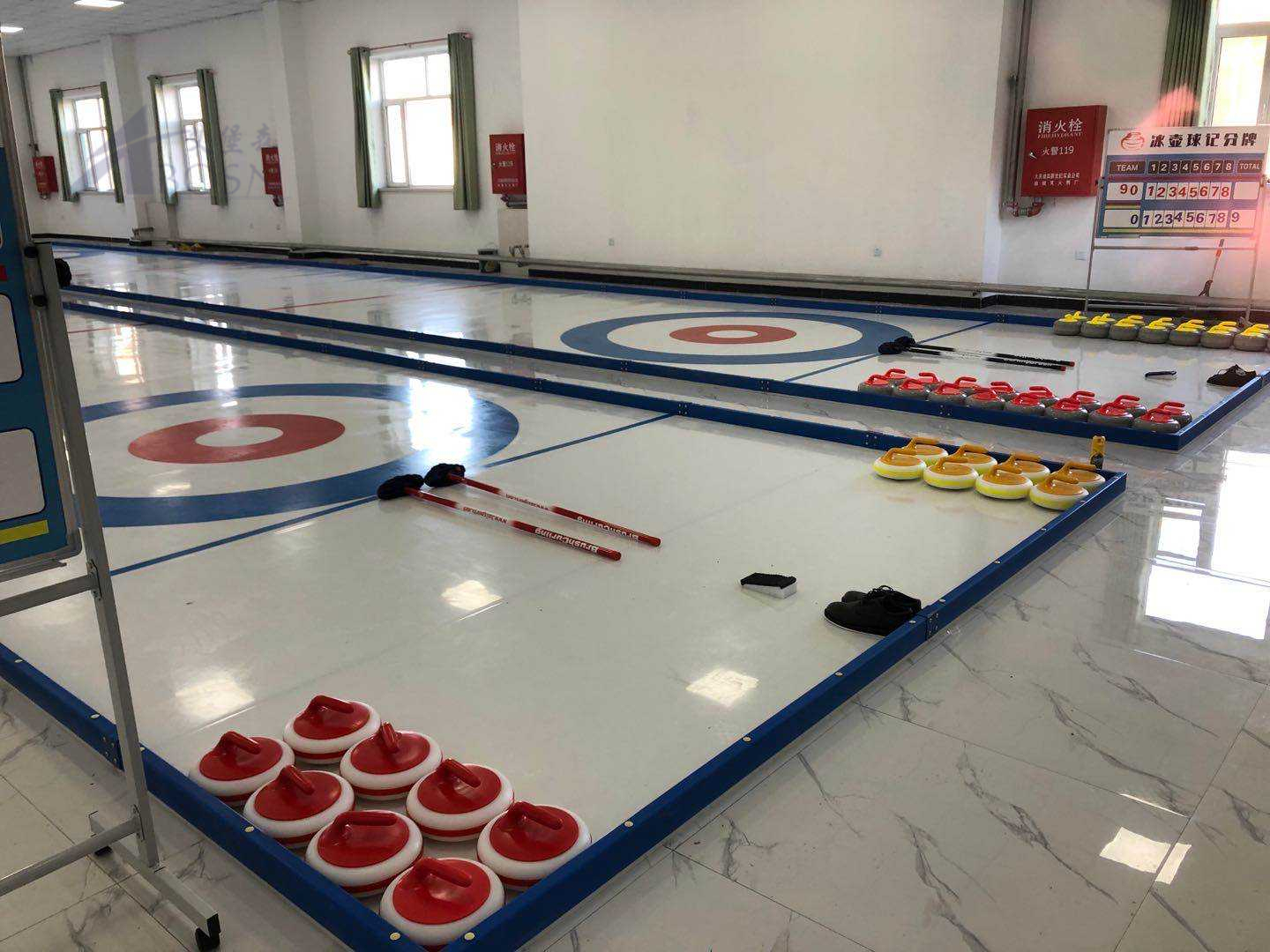
Installing a synthetic ice rink at home is surprisingly simple. The panels or tiles come in interlocking pieces, much like a puzzle. You just snap them together over a flat, level surface. No special tools or professional help is usually needed, making it a quick DIY project. Whether indoors or outdoors, you can customize the rink’s size and shape by adding or removing tiles. For outdoor setups, ensure the ground is even; use plywood if needed to create a smooth base. Indoors, most floors are already level, so installation is even easier. The lightweight tiles let you relocate or store the rink when not in use.
Keeping your synthetic ice rink in top shape requires some routine care. First, sweep or vacuum the surface regularly to remove debris and tiny plastic shavings caused by skate blades. These shavings can accumulate and affect glide performance. Avoid using harsh chemicals or abrasive tools that might damage the tiles. Instead, stick to gentle cleaning methods. Applying a glide enhancer occasionally can restore smoothness and extend the rink’s lifespan. Also, inspect the tiles for cracks or damage, replacing individual pieces as needed to maintain a safe skating surface.
Cleaning synthetic ice tiles is straightforward. Use warm water mixed with mild soap and a soft mop or cloth to wipe down the surface. Rinse with clean water to remove soap residue. Avoid waxes or polishes, as they can make the rink slippery or sticky. For stubborn marks or scuffs, a gentle scrubbing with a soft brush works well. Keep the rink covered when not in use to prevent dirt buildup, especially for outdoor installations. Proper cleaning and care preserve the tiles’ glide quality and appearance, ensuring a consistently enjoyable skating experience.
Regularly apply a glide enhancer and clean tiles with mild soap to maintain smooth skating and prolong your synthetic rink’s life.
Indoor synthetic ice rinks offer a controlled environment, free from weather interruptions like rain, snow, or extreme heat. This means you can skate comfortably any time, regardless of season or outdoor conditions. Indoors, temperature stays stable, helping preserve the rink’s surface and making skating safer and more predictable.
Indoor rinks fit well in spare rooms, garages, or basements, even if space is limited. They allow focused practice on skills like stick handling or figure skating moves without distractions. Plus, indoor setups protect your rink from dirt, leaves, or debris, reducing cleaning needs.
Safety is another plus. Indoors, kids skate in a supervised, enclosed space, lowering risks of injury or accidents from outdoor hazards. During health concerns like pandemics, indoor rinks at home limit external contact, keeping your family safer.
Outdoor synthetic ice rinks bring the joy of skating under the open sky. They can be much larger than indoor rinks, perfect for games, group practices, or family fun. The extra space lets you invite neighbors or friends, turning your rink into a community hub.
Outdoor rinks expose skaters to natural elements, helping build mental toughness and endurance needed for real ice play. Cold air and fresh surroundings add to the authentic skating experience, especially for hockey players or figure skaters preparing for competitions.
You can install an outdoor rink almost anywhere — backyards, driveways, decks, or even flat rooftops. This flexibility lets you design a rink that suits your space and needs. Plus, skating outside can be a refreshing way to enjoy nature while exercising.
When deciding between indoor or outdoor, consider space availability, weather, and how you plan to use the rink. Indoor rinks suit smaller spaces and focused training, while outdoor rinks fit larger gatherings and recreational play.
Think about maintenance too. Outdoor rinks may need more frequent cleaning due to dirt and leaves, while indoor rinks stay cleaner but require good ventilation.
Also, check the surface level and prepare the base properly. Uneven ground outdoors can cause skating issues and injury risks. Indoors usually offer a flat, stable floor but confirm measurements carefully.
Finally, consider your budget and installation effort. Outdoor rinks might require more prep work like leveling or protective covers. Indoor rinks often need fewer adjustments but may limit rink size.
Choose your rink location based on your skating goals, space size, and climate to maximize enjoyment and ease of maintenance.
Synthetic ice rinks provide an excellent platform for hockey players and figure skaters to train year-round. Unlike traditional ice, synthetic surfaces don’t melt or need refrigeration, so you can practice anytime, regardless of weather. Hockey players can work on stickhandling, shooting, and skating drills in the comfort of their home. Figure skaters benefit from practicing jumps, spins, and footwork without worrying about ice conditions or rink availability.
The surface offers a glide close to real ice but with slightly more resistance. This resistance helps build muscle strength and endurance, which can improve performance on natural ice. Plus, synthetic ice lets beginners learn at their own pace in a safe environment, minimizing injury risks from hard falls on frozen surfaces.
Beyond sports training, synthetic ice rinks serve as great fitness tools. Skating is a full-body workout that boosts cardiovascular health, strengthens leg muscles, and enhances balance and coordination. The subtle drag from synthetic ice increases muscle engagement, providing a more intense workout than natural ice.
Families and individuals can use the rink for fun recreational skating, turning exercise into an enjoyable activity. It also encourages kids to stay active, helping develop motor skills and coordination. Adults can incorporate skating into their fitness routines for variety and low-impact exercise.
A synthetic ice rink at home can become a social hub. It’s perfect for hosting skating parties, birthday celebrations, or neighborhood get-togethers. The rink invites family, friends, and neighbors to join in, fostering community spirit and bonding.
Because synthetic ice works indoors and outdoors and requires minimal maintenance, it’s easy to set up for events. You can organize friendly hockey matches, figure skating shows, or casual skate sessions. This versatility makes synthetic rinks ideal for bringing people together through shared activity and fun.
Use your synthetic ice rink for varied activities—training, fitness, and social events—to maximize its value and keep everyone engaged.
Synthetic ice rinks offer year-round usage, economical maintenance, and enhanced physical fitness. Installing a home rink provides family bonding and community engagement opportunities. Consider a synthetic rink for flexible skating anytime. The future of synthetic ice promises more accessible, durable, and enjoyable skating experiences. For high-quality synthetic ice solutions, ABOSN offers products that deliver exceptional value and performance, ensuring long-lasting enjoyment and cost savings for skating enthusiasts.
A: A synthetic ice rink is a man-made surface that mimics real ice, allowing skating without freezing temperatures or water. It uses durable panels that create a slick surface for skating.
A: Synthetic ice rinks work by reducing friction between skate blades and the surface, enabling smooth gliding similar to real ice. The panels create a lubricating layer for safe, enjoyable skating year-round.
A: Installing a synthetic ice rink at home offers year-round skating, cost-effective maintenance, and durability. It enhances physical fitness, motor skills, and provides family bonding opportunities.
A: The cost of a synthetic ice rink varies based on size and quality. Generally, it is more economical than traditional ice rinks due to lower maintenance and setup costs.
A: Indoor synthetic ice rinks offer a controlled environment free from weather interruptions, making them ideal for focused practice and safer skating conditions.


