
 English
Views: 0 Author: Site Editor Publish Time: 2025-11-07 Origin: Site


Imagine skating anytime, anywhere, without worrying about the weather. Synthetic ice rinks make this possible. But what exactly is synthetic ice? It's a durable, weather-resistant surface that mimics real ice, offering year-round skating opportunities. In this post, you'll learn about synthetic ice rinks, their versatility, and their benefits across all seasons.
Synthetic ice rinks shine in their ability to withstand all kinds of weather. Made from dense polyethylene, they resist snow, rain, heat, and cold without damage. In cold weather, frost and snow don’t harm the surface; they can be easily cleared to keep skating smooth. Heat, even intense sun, won’t melt or warp the rink, unlike natural ice that melts quickly in warm temperatures. This means skating stays possible in summer or winter, rain or shine.
Durability is a strong suit of synthetic ice. The materials used can last 5 to 10 years or more with proper care. Skates may cause minor surface cuts, which actually improve glide over time. Maintenance mainly involves regular cleaning to remove dirt, dust, and debris that can build up, especially outdoors. A soft brush and warm soapy water do the trick. For stubborn grime, a pressure washer on a low setting works well. Covers help protect outdoor rinks from excess dirt and weather, reducing cleaning needs. Properly interlocking panels and checking for damage also keep the rink safe and functional.
Synthetic ice rinks adapt to many settings. Indoors, they fit garages, malls, community centers, or spare rooms, providing a clean, controlled environment for skating year-round. Outdoors, they transform backyards, parks, or restaurant patios into skating hubs regardless of climate. The rink’s expansion under heat requires a small gap between panels and walls, but otherwise, installation is straightforward. Their weatherproof nature means they can remain set up all year, offering continuous use without the high costs or energy demands of refrigerated rinks. This versatility makes synthetic ice an excellent choice for homes, businesses, and public spaces aiming to provide skating fun anytime.
Tip: When planning an outdoor synthetic ice rink, allow at least 1 inch of space around panels for expansion in heat to prevent warping or damage.
Synthetic ice rinks offer a fantastic way to stay fit year-round. Skating on synthetic ice burns calories quickly—over 300 in just 30 minutes of ice hockey or skating. It combines aerobic and anaerobic exercise, improving heart health while strengthening muscles. You work your calves, quads, core, and even improve balance. Unlike many sports, skating is low-impact, so it’s easier on joints. This makes it suitable for people of all ages and fitness levels. Plus, you can practice anytime, no matter the season or weather.
Synthetic ice rinks support a variety of workouts and sports. You can practice figure skating moves like shooting the duck or ice skating lunges. Hockey players can work on stops, starts, and puck control. Other exercises include pistol squats, hops, and sprints, all performed on the rink to build strength and agility. The surface provides slight resistance, which helps improve muscle control and endurance. Because synthetic ice mimics real ice closely, it’s perfect for practicing skills without needing natural ice.
Professional skaters and hockey players find synthetic ice especially valuable. The slight resistance challenges muscles more than natural ice, helping build power and speed. Training on synthetic ice can isolate and strengthen movements, improving overall technique. Athletes can keep their skills sharp during off-seasons or when natural ice isn’t available. The convenience of indoor or outdoor synthetic rinks means no interruptions due to weather. This consistent training boosts performance and confidence when returning to natural ice.
Synthetic ice rinks create perfect spots for family fun year-round. Unlike natural ice, you don’t need to bundle up in heavy winter gear to enjoy skating. Kids and adults can slip on skates anytime, whether it’s a warm summer evening or a crisp autumn afternoon. The surface remains safe and smooth, so beginners and experienced skaters alike can have a great time. Families can bond over skating games, races, or simple glides around the rink. Plus, synthetic ice doesn’t require refrigeration or water, so it’s easy to set up in backyards or community spaces without worrying about extra costs or maintenance hassles.
Synthetic ice rinks serve as fantastic venues for community gatherings and sports leagues. Parks, recreation centers, and local businesses can host skating parties, hockey matches, or figure skating shows regardless of the season. This flexibility encourages more community participation, helping people stay active and connected. Teams can practice and compete without weather delays, boosting morale and teamwork. Seasonal events like holiday skating festivals or summer hockey tournaments become easier to organize and more enjoyable for everyone involved. The rink’s durable surface handles heavy foot traffic and sports activity, making it a reliable choice for public use.
Curling, a sport famous for its strategy and teamwork, is gaining popularity thanks to synthetic ice. Communities can form amateur curling teams without needing traditional ice rinks. Synthetic ice’s smooth, consistent surface allows curling stones to glide properly, making the sport accessible and fun. Organizing curling leagues or friendly matches becomes simpler and more affordable. This promotes social interaction and physical activity, especially among older adults or those new to ice sports. Curling also offers a unique way to diversify community sports programs, attracting participants seeking something different from typical team sports.
Synthetic ice rinks open up exciting chances to turn your skating skills into income. If you’re confident on skates or have experience in hockey or figure skating, you can offer paid lessons. These rinks provide a perfect training ground for beginners and advanced skaters alike, all year round. You don’t need special refrigeration or natural ice, so your setup costs stay low. Hosting private coaching sessions or group classes can attract local clients eager to learn or improve. Plus, synthetic ice’s durability means you can run frequent sessions without worrying about rapid wear.
Offering skating classes on synthetic ice is a smart business move. You can design programs for various age groups and skill levels—from toddlers trying their first glide to adults sharpening hockey moves. Classes can cover basic skating techniques, hockey drills, figure skating routines, or even curling basics. Because synthetic ice works indoors and outdoors, you can adapt to different spaces—community centers, schools, or commercial venues. Marketing your classes as convenient, year-round options appeals to busy families and athletes who want consistent training regardless of weather.
Creating digital content focused on synthetic ice sports is another lucrative avenue. You can produce tutorial videos, skill challenges, or behind-the-scenes footage of training sessions. Sharing tips, tricks, and skating journeys builds an engaged online community. Monetize through ads, sponsorships, or selling your own lesson packages. Synthetic ice’s growing popularity means fresh content attracts viewers curious about this alternative skating surface. Plus, you can collaborate with brands or local businesses to expand your reach. This approach requires minimal upfront investment beyond a quality camera and rink access.
Tip: To maximize revenue from synthetic ice rinks, combine in-person skating lessons with online content creation, expanding your audience and income streams.
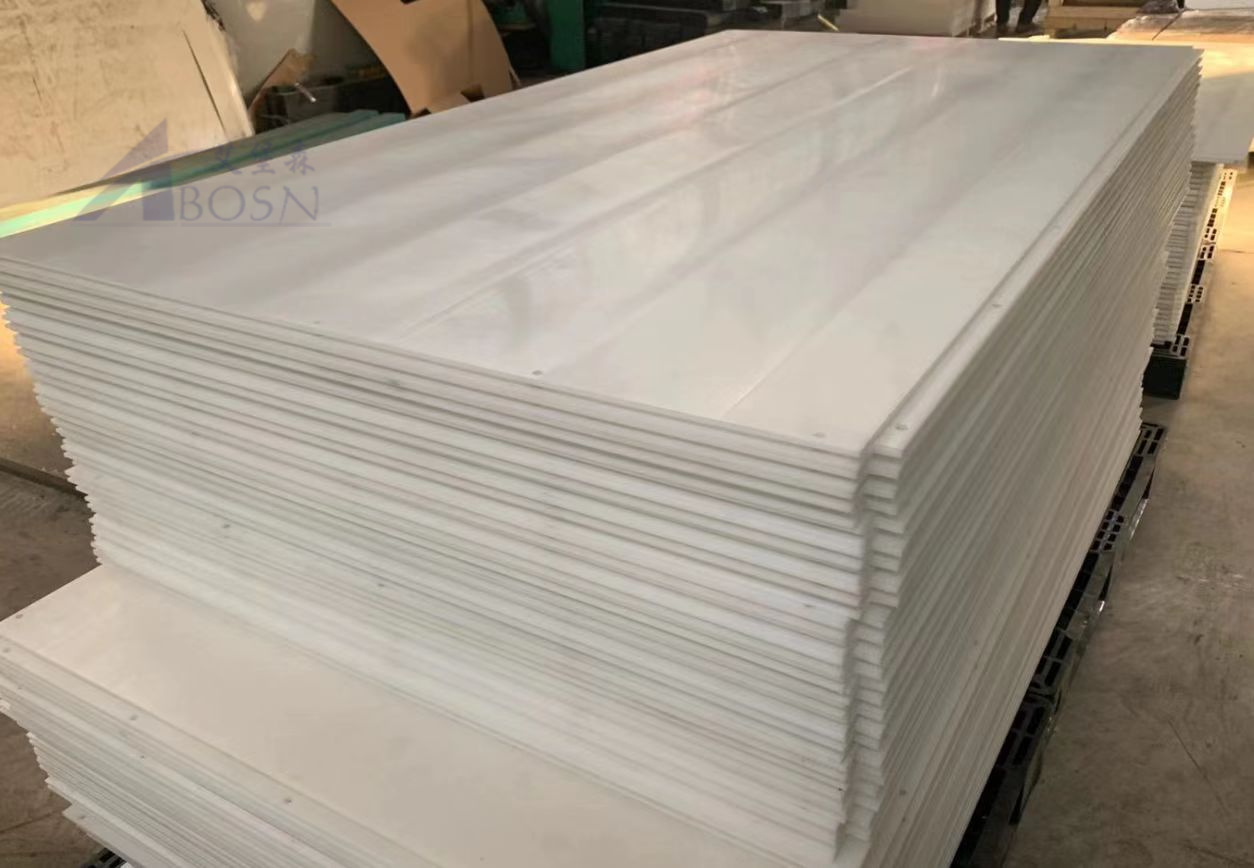
Synthetic ice rinks stand out for their impressive energy efficiency. Unlike traditional ice rinks, they require no refrigeration or constant water freezing. This eliminates the massive electricity consumption linked to cooling systems. Without chillers running 24/7, synthetic ice surfaces drastically reduce energy use. This makes them a sustainable choice for communities and businesses aiming to lower their carbon footprint.
Moreover, synthetic ice uses durable polymers designed to last many years. Since it needs no water for freezing, it helps conserve this precious resource. Traditional rinks often consume thousands of gallons of water to create and maintain ice. Synthetic ice rinks avoid this waste, supporting water conservation efforts. Their low-maintenance nature also means fewer chemicals or resurfacing agents pollute the environment.
Operating synthetic ice rinks costs much less than running traditional ones. Without refrigeration equipment, energy bills shrink significantly. Maintenance is simpler, requiring just cleaning and occasional resurfacing. There’s no need for expensive ice-making machines, resurfacing vehicles, or water treatment systems. Installation costs can be lower, especially for smaller or temporary setups.
Over time, these savings add up. Facilities avoid costly repairs and energy spikes linked to freezing and thawing cycles. Synthetic rinks also reduce labor costs since no ice technicians are needed. Businesses can offer skating year-round without weather-related shutdowns or high operating expenses. This makes synthetic ice an attractive investment, especially in warmer climates where traditional ice is impractical.
Synthetic ice rinks boost tourism by extending skating seasons and diversifying attractions. Resorts, hotels, and municipalities can offer ice sports regardless of weather or season. This appeals to visitors seeking unique experiences beyond traditional winter sports. Year-round ice skating or curling keeps tourist destinations lively and competitive.
Local businesses benefit too. Food vendors, equipment rentals, and lesson providers see increased demand. Events like skating festivals or hockey tournaments draw crowds, generating revenue for shops and restaurants nearby. Communities gain a recreational hub that encourages outdoor activity and social interaction. Synthetic ice rinks create economic ripple effects, supporting jobs and local economies sustainably.
Synthetic ice technology keeps evolving. New materials improve glide, durability, and environmental impact. Some manufacturers now add advanced polymers that reduce friction even more, making skating feel closer to natural ice. Others focus on self-lubricating surfaces, which cut down maintenance by eliminating the need for sprays or conditioners. Innovations also include modular panels with built-in sensors to track skating performance, providing real-time feedback for athletes and coaches. These smart rinks can connect to apps, helping users monitor speed, balance, and technique remotely.
Synthetic ice rinks open doors for creative sports beyond traditional skating and hockey. Curling has grown popular on synthetic surfaces, thanks to consistent glide and easier access. Emerging games combine skating with elements like ball handling or obstacle courses, creating fun fitness challenges for all ages. Some communities experiment with synthetic ice for roller hockey or inline skating training during off-seasons. Adaptations of figure skating and dance on synthetic ice also attract enthusiasts who want year-round practice. This versatility encourages new leagues, events, and recreational programs.
Looking ahead, synthetic ice rinks will become more integrated with technology and sustainability. Expect rinks that self-clean or adjust surface temperature for optimal skating feel. Solar-powered lighting and heating systems could make outdoor synthetic rinks more energy-efficient and user-friendly. Portable synthetic ice setups will grow in popularity, allowing events and pop-up rinks anywhere. Urban planners and businesses may adopt synthetic ice to create year-round recreational hubs, boosting community health and tourism. As climate change challenges natural ice availability, synthetic ice offers a resilient, eco-conscious alternative for winter sports lovers worldwide.
Synthetic ice rinks offer year-round weather resistance, durability, and adaptability for fitness, family fun, and community events. They provide energy efficiency and cost savings compared to traditional ice rinks. With emerging technologies and innovative uses, synthetic ice rinks are set to transform recreational activities. The product from ABOSN offers unique benefits, combining sustainability with advanced features to enhance user experience. These rinks provide exceptional value, making them an ideal choice for various applications across different climates and settings.
A: A synthetic ice rink is a skating surface made from dense polyethylene panels, designed to mimic real ice. It allows skating in all weather conditions without the need for refrigeration or water freezing.
A: To maintain a synthetic ice rink, regularly clean the surface with a soft brush and warm soapy water. For stubborn dirt, use a pressure washer on a low setting. Covers can protect outdoor rinks from excess dirt and weather.
A: Synthetic ice rinks offer year-round skating without melting or warping in heat. They require no refrigeration, reducing energy costs and environmental impact, making them a practical choice for homes and businesses.
A: Yes, synthetic ice rinks are excellent for professional training. They provide slight resistance, challenging muscles and improving technique, allowing athletes to practice consistently regardless of weather conditions.
A: Synthetic ice rinks are more cost-effective than traditional ice rinks. They eliminate refrigeration and water freezing costs, require less maintenance, and reduce energy bills, making them a sustainable investment.


