
 English
Views: 0 Author: Site Editor Publish Time: 2025-11-12 Origin: Site


Imagine skating anytime, anywhere, without needing freezing temperatures. Synthetic ice rinks make this possible, offering a versatile alternative to natural ice. Choosing the right synthetic ice rink is crucial for maximizing your skating experience. In this post, you'll learn about various synthetic ice options, their benefits, and how to select the best rink for your needs.
Synthetic ice is a man-made surface crafted from high-quality polymers designed to simulate the feel and glide of natural ice. Unlike real ice, it doesn't need freezing temperatures or refrigeration, making it usable year-round indoors or outdoors. Skaters can practice anytime, anywhere, thanks to its versatile setup. It typically comes in panels or tiles that interlock to form a smooth skating surface.
Synthetic ice mimics real ice by offering a slick, smooth surface that allows skate blades to glide similarly to natural ice. Manufacturers add slip agents during production to reduce friction, creating a glide effect close to real ice skating. Some types feature self-lubricating properties, which means the surface produces its own slickness, minimizing the need for external lubricants.
The surface texture and material composition are engineered to provide resistance similar to natural ice, helping skaters maintain control and balance. This resistance is crucial for training since it builds strength and technique. Advanced synthetic ice panels often include UV protection to withstand outdoor use and maintain performance over time.
● Year-Round Use: No dependence on cold weather or refrigeration systems means skating anytime.
● Cost-Effective: Eliminates expenses tied to ice rink rentals or maintaining natural ice.
● Low Maintenance: Requires simple cleaning, like sweeping or mopping, rather than resurfacing.
● Portability: Panels and tiles can be assembled, disassembled, and stored easily.
● Versatility: Suitable for hockey, figure skating, speed skating, and casual use.
● Durability: High-grade polymers ensure long-lasting performance, often lasting 6-8 years or more.
● Customizable: Available in various sizes and configurations to fit different spaces and needs.
● Environmentally Friendly: No water or electricity needed to maintain the surface, reducing environmental impact.
These benefits make synthetic ice an excellent option for home rinks, training facilities, and recreational areas. Whether you're a beginner or a professional athlete, synthetic ice offers a practical and efficient way to practice skating skills.
Note: When selecting synthetic ice, consider the surface's friction level—too slick may reduce training benefits, while too rough can cause excessive wear on skates.
Before choosing a synthetic ice rink, consider who will use it. Is it for a beginner learning to skate or an advanced skater refining skills? For beginners, a smaller rink around 100 square feet can suffice. This space allows practice of basic strides, turns, and stops. For advanced skaters, a larger rink might be better to accommodate more complex maneuvers. However, even skilled skaters can benefit from smaller rinks for focused training.
Age and size also matter. Young children need less space than adults. Think about who will use the rink most often and their skating level to decide the ideal size and features.
What’s the main goal for your rink? Is it for casual fun or serious training? Recreational skaters often prefer surfaces with low friction for easy gliding. Infused synthetic ice, made with slip agents, offers a slick feel similar to real ice, making it great for casual use.
If training is the focus, some resistance is beneficial. Surfaces with higher friction help build strength and technique. Trainers often recommend surfaces that offer "positive resistance" to improve skating skills. Choose a surface that matches your purpose to get the best results.
How much space do you have? Synthetic ice rinks can fit various areas, from a small garage to a large backyard. Small rinks under 300 square feet fit well in spaces like a one-car garage (about 12 ft by 22 ft). This size is enough for beginners to practice fundamentals like strides, crossovers, and turns. Figure skaters can work on jumps and spins in this area too.
Larger rinks over 300 square feet suit advanced skaters or multiple users. Bigger panels reduce seams, making the surface smoother and easier to maintain. If your space is multipurpose, consider lightweight, portable panels for easy setup and storage. For dedicated rinks, heavier, larger panels with secure connections provide durability and a professional feel.
Connection types matter too. Dovetail connections speed up assembly, while tongue-and-groove methods take longer but create tight seams. Choose based on your installation preferences and how often you plan to assemble or move the rink.
User Level | Recommended Size | Panel Type | Notes |
Beginner | ~100 sq ft | Lightweight tiles | Good for learning basic skills |
Recreational | Up to 300 sq ft | Small panels/tiles | Portable, easy to store |
Advanced/Pro | Over 300 sq ft | Large panels with dovetail or tongue-and-groove | Durable, fewer seams, professional setup |
Always measure your available space carefully before ordering panels or tiles to ensure the rink fits perfectly and meets your skating goals.
Choosing the right type of synthetic ice rink is crucial for meeting your skating needs. There are mainly two popular types: infused synthetic ice surfaces and self-lubricating synthetic ice. Each offers unique features that affect glide, maintenance, and overall skating experience.
Infused synthetic ice contains slip agents mixed into the material during manufacturing. These additives reduce surface friction, making the skating glide smoother and closer to natural ice. This type is ideal for casual skaters or those looking for an easy glide feel. It requires less effort to skate, which can be great for beginners or recreational use.
Because the slip agents are embedded in the surface, infused synthetic ice needs minimal external lubrication. This reduces maintenance time and keeps the surface consistent. However, surfaces with very low friction may not provide enough resistance for strength training or advanced skating drills.
Self-lubricating synthetic ice produces its own slickness through a special polymer blend. This means it generates a natural glide without needing extra lubricants. Skaters get a balance of glide and resistance, making it suitable for training purposes where building strength and technique is important.
This type often lasts longer because the surface maintains its slickness over time. It can handle heavy use and is a favorite among hockey players and figure skaters who want a more realistic ice feel. However, it might require occasional cleaning to remove debris that could affect performance.
Synthetic ice comes as panels or tiles, each with pros and cons:
● Panels: Larger, thicker, and heavier than tiles. Panels create fewer seams, resulting in a smoother skating surface. They are more durable and better for permanent or semi-permanent rinks. Installation might take longer, but the result feels closer to real ice. Panels often use interlocking systems like dovetail or tongue-and-groove for secure fit.
● Tiles: Smaller, lighter, and easy to move. Tiles offer flexibility for temporary setups or smaller spaces. They are perfect for beginners or casual skaters who want portability. However, more seams mean slightly more friction and dirt can accumulate in gaps. Tiles are usually less expensive upfront but may wear faster with heavy use.
When deciding between panels and tiles, consider your space, budget, and how often you plan to assemble or move the rink. Large, dedicated rinks benefit from panels, while smaller, multipurpose areas suit tiles.
No synthetic ice rink feels complete without goals and nets, especially if hockey is part of your plan. Adding goals at each end creates a realistic playing field for games or practice. You can choose to install one or two goals depending on your space and intended use. These goals come with netting and pegs to secure them firmly to the rink surface. This means you won't have to worry about them shifting during practice shots or games.
Having goals set up makes training more convenient and closer to real-game conditions. For example, practicing shooting accuracy or goalie drills becomes easier and more effective. Plus, it adds fun and motivation for players of all ages.
Dasher boards are essential for keeping pucks contained inside the rink. They also serve as boundaries that help skaters practice positioning and body control. Installing dasher boards can transform your rink from a simple skating surface into a true hockey arena.
There are many options for dasher boards. You can choose traditional aluminum boards, which are durable and have been used in the industry for decades. For added safety, consider tempered glass or acrylic shielding. These reduce injury risk if a player hits the boards hard. Some systems even offer edgeless or shielding options that protect both players and spectators.
Dasher boards also enhance the look of your rink, making it feel professional and complete. They can be customized in height and length to fit your rink size.
Colored markings on synthetic ice improve training effectiveness and visual appeal. Lines, circles, and goalie creases can be painted or embedded to match official ice rink layouts. This helps players practice positioning, drills, and plays accurately.
You can customize markings based on your sport—hockey, figure skating, speed skating, or curling. Adding logos or advertisements is another popular option. Imagine skating on a rink that displays your favorite NHL team’s logo or your local high school mascot. This personalizes your rink and boosts team spirit.
Colored markings also help coaches and players track progress during training sessions. They provide clear visual cues for foot placement, puck control, and skating patterns.
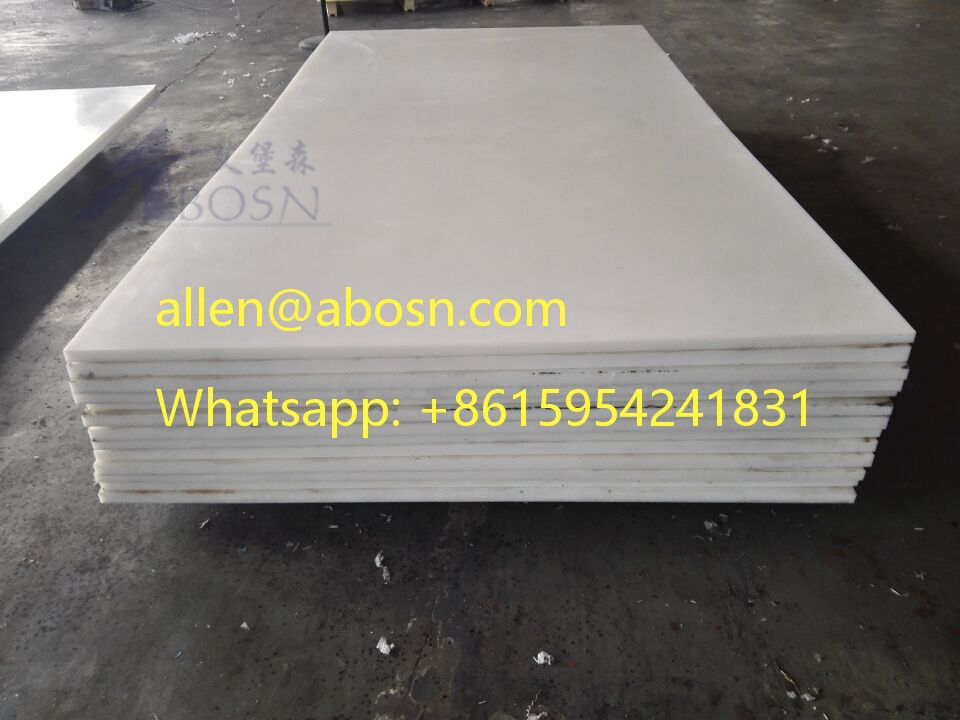
When planning your synthetic ice rink, budget plays a big role. Several factors influence the total cost:
● Size of the Rink: Larger rinks require more panels or tiles, increasing material costs.
● Type of Surface: Professional-grade panels with self-lubricating properties cost more than basic infused surfaces.
● Panel or Tile Choice: Panels tend to be pricier than tiles due to their size and durability.
● Customization: Adding dasher boards, goals, colored markings, or logos adds to the expense.
● Installation: Some systems require professional installation, while others can be assembled by users, affecting labor costs.
● Maintenance Supplies: Although synthetic ice requires minimal upkeep, occasional lubricants or cleaning products may add to expenses.
Understanding these factors upfront helps you set a realistic budget and avoid surprises.
If you’re new to synthetic ice, starting small is smart. Lightweight synthetic ice tiles offer a budget-friendly entry point. They’re easy to assemble, portable, and suitable for indoor use, such as in a garage or basement. This option allows beginners to practice basic skating skills without a large upfront investment.
Another affordable approach is to purchase a starter kit with fewer panels or tiles, then expand the rink over time as skills improve and budget allows. This “grow your rink” strategy spreads costs and adapts to changing needs.
Look for infused synthetic ice surfaces for easier glide and lower maintenance. These surfaces provide a comfortable skating experience while keeping costs manageable.
For serious skaters or training centers, investing in professional-grade synthetic ice panels is worthwhile. These panels offer superior glide, durability, and resistance, mimicking real ice closely. They often feature self-lubricating technology, reducing the need for added lubricants.
Though the initial cost is higher, professional-grade rinks last longer—typically 6 to 8 years or more—and withstand heavy use. Larger panels mean fewer seams, enhancing smoothness and reducing dirt buildup.
Customization options such as dasher boards, goals, and colored markings add to the rink’s functionality and aesthetic appeal, creating a true professional environment. Consider these features if you want a rink that supports advanced training or competitive play.
One of the biggest advantages of synthetic ice rinks is how simple they are to set up and take down. Most synthetic ice panels or tiles come with interlocking edges, such as dovetail or tongue-and-groove designs, allowing you to snap pieces together quickly without special tools. This means you can assemble a rink in just a few hours, depending on size.
If you need to move or store the rink, disassembly is just as straightforward. Tiles or panels can be separated and stacked for compact storage. This portability is perfect for multipurpose spaces like garages or community centers where the rink isn’t permanent. Some lightweight tile systems are especially easy to carry and fit into small storage areas.
For larger, permanent rinks, installation might take longer but still remains manageable for DIY enthusiasts or professionals. Clear instructions and modular design help reduce setup time. Whether you want a temporary rink for a season or a long-term installation, synthetic ice offers flexible options.
Maintenance for synthetic ice is much easier than natural ice. You don’t need refrigeration, resurfacing machines, or water. Instead, regular cleaning keeps the surface smooth and safe.
Sweeping or vacuuming removes dust, dirt, and debris that can increase friction or scratch skate blades. For deeper cleaning, mop the surface with a mild detergent and water solution. Avoid harsh chemicals or abrasive cleaners as they can damage the polymer material.
Some synthetic ice types require occasional lubrication to maintain glide. Lubricants are specially formulated sprays or liquids that reduce friction. However, self-lubricating synthetic ice panels often eliminate this need, saving time and effort.
Inspect the rink periodically for any damaged panels or tiles. Replace or repair sections promptly to avoid uneven skating surfaces or injury risks. Proper maintenance extends the life of your rink, typically lasting 6 to 8 years or more.
Portability is a major benefit of synthetic ice rinks. Lightweight tiles or panels allow you to create skating surfaces almost anywhere. When not in use, panels can be stacked and stored in closets, garages, or storage units.
Consider storage solutions like custom racks, carts, or protective covers to keep panels organized and clean. Labeling panels can speed up reassembly and ensure proper fit.
For outdoor rinks, store panels indoors during extreme weather or off-season to prevent warping or UV damage. Some manufacturers offer weather-resistant panels suitable for year-round outdoor use, but proper storage still helps prolong lifespan.
If you plan to move your rink frequently, prioritize lightweight, portable tiles. For a more permanent setup, heavier panels provide stability but require more storage space.
Choosing the right synthetic ice rink involves considering user needs, space, and budget. Evaluate whether the rink is for casual fun or serious training, and select the appropriate type of synthetic ice surface. Consider portability, customization options, and maintenance requirements. Starting small with lightweight tiles can be cost-effective for beginners, while professional-grade panels offer long-lasting performance for advanced users. Begin your synthetic ice rink journey with ABOSN, whose products provide exceptional value through innovative features and comprehensive services.
A: A synthetic ice rink is a man-made surface made from high-quality polymers that mimic the feel of natural ice, allowing for year-round skating without the need for refrigeration.
A: Synthetic ice rinks offer a slick, smooth surface similar to real ice, using slip agents to reduce friction, and are suitable for various skating activities.
A: Benefits include year-round use, cost-effectiveness, low maintenance, portability, versatility, durability, customization, and environmental friendliness.
A: Costs vary based on size, type, and customization, with lightweight tiles offering affordable entry options and professional-grade panels being more expensive.
A: Maintenance involves regular cleaning with sweeping or mopping, occasional lubrication if needed, and inspecting for damage to ensure a smooth surface.


