
 English
Views: 0 Author: Site Editor Publish Time: 2025-10-31 Origin: Site


Imagine skating year-round without worrying about melting ice. Synthetic ice rinks make this dream a reality. These innovative surfaces offer an alternative to traditional ice, gaining popularity for their versatility and low maintenance. In this post, you'll learn how synthetic ice compares to real ice in terms of surface characteristics, installation, performance benefits, costs, and environmental impact.
Synthetic ice is a man-made skating surface designed to mimic real ice. It consists primarily of ultra-high-molecular-weight polyethylene (UHMW-PE), a type of durable plastic known for its low friction and high wear resistance. The material is molded into interlocking panels or tiles, creating a solid, smooth surface that skaters can glide across using traditional ice skates.
Unlike natural ice, synthetic ice doesn’t require freezing temperatures or water. It remains solid at room temperature and can be installed indoors or outdoors, making skating accessible year-round. The surface is dry, so it avoids the wetness and melting issues common with real ice.
Synthetic ice technology dates back several decades but has evolved significantly. Early versions felt rough and offered limited glide, making skating difficult and less enjoyable. Over time, manufacturers improved the polymers used, reducing friction and enhancing durability.
Modern synthetic ice panels now provide about 85-95% of the glide efficiency of real ice. Innovations include:
● Enhanced polymer blends for smoother glide
● Interlocking systems for seamless surface assembly
● UV-resistant coatings for outdoor use
● Modular designs for easy installation and expansion
These advancements allow synthetic ice to serve not just recreational skaters but also professional athletes looking for consistent training surfaces.
Synthetic ice’s versatility makes it popular across various settings:
● Indoor training facilities: Skaters practice year-round without weather constraints.
● Outdoor recreational rinks: Malls, parks, and festivals install synthetic rinks for seasonal events.
● Home setups: Backyard or garage installations offer convenient practice spaces.
● Schools and gyms: Synthetic ice enables skating activities without the need for refrigeration or water.
● Specialized training: Hockey players and figure skaters use it for strength building and technique refinement.
Its portability and low maintenance requirements make synthetic ice an attractive option for communities and organizations wanting to expand skating access.
Tip: When selecting synthetic ice panels, prioritize those with advanced polymer formulations to ensure a smoother glide and longer-lasting surface for your facility.
Friction plays a huge role in skating performance. Real ice offers an extremely low friction surface, often less than 1%, allowing skaters to glide almost effortlessly. Synthetic ice, made from ultra-high-molecular-weight polyethylene, has improved significantly but still requires about 10–15% more effort to skate on than real ice. Early synthetic ice surfaces had friction levels over 30% higher, but today's advanced panels provide a much closer skating experience.
This extra resistance on synthetic ice means skaters push harder with each stride. It’s like built-in strength training, helping muscles work more intensely. For beginners, this can slow down the pace, giving time to focus on balance and form. Experienced skaters use it to build power and endurance, making transitions back to real ice smoother.
Glide efficiency refers to how smoothly skates move across the surface. Real ice excels here, offering maximum glide with minimal effort. Synthetic ice, while not quite matching this, delivers about 85–95% of that glide efficiency. The surface feels slightly grabby, which affects the ability to perform quick stops, sharp turns, and skids as easily as on real ice.
Skaters often notice synthetic ice requires more effort to maintain speed and momentum. However, modern synthetic panels are designed to minimize these differences, providing a consistent surface that holds up well under heavy use. This consistency helps skaters maintain muscle memory and technique during training.
Skate blades wear differently on synthetic vs. real ice. Real ice is gentler, requiring less frequent sharpening since the cold, smooth surface reduces blade abrasion. Synthetic ice, being a plastic surface, tends to wear blades faster due to its higher friction and slightly rougher texture.
This means skaters using synthetic ice should expect to sharpen blades more often. However, synthetic ice is more resistant to damage itself. Unlike real ice, which needs resurfacing machines to maintain smoothness, synthetic panels only require basic cleaning. Damaged synthetic tiles can be replaced individually but repairing them isn’t as simple as resurfacing real ice.
Aspect | Real Ice | Synthetic Ice |
Friction | Very low (<1%) | 10–15% higher |
Glide Efficiency | Maximum | 85–95% of real ice |
Skate Blade Wear | Standard wear | Faster wear |
Maintenance | Frequent resurfacing | Basic cleaning |
Surface Repair | Resurfacing equipment | Replace damaged tiles |
Setting up a synthetic ice rink starts with preparing a flat, stable surface. Unlike real ice, synthetic panels don’t need freezing equipment or water. The surface usually consists of interlocking tiles made from durable plastic, which fit together like puzzle pieces. This modular design allows quick assembly and customization of rink size.
Key setup steps include:
● Ensuring a level subfloor, such as concrete or wood
● Laying down the interlocking synthetic ice panels
● Installing dasher boards or barriers around the perimeter for safety
● Optional: Adding padding underneath panels for shock absorption and comfort
Synthetic ice rinks can be installed indoors or outdoors, year-round. They don’t require refrigeration, making them ideal for locations without cold climates or ice-making infrastructure. Installation time varies by rink size but generally takes less time than building a traditional ice rink.
Maintenance demands differ greatly between synthetic and real ice surfaces. Real ice requires frequent resurfacing using specialized machines like Zambonis to keep the surface smooth and safe. It also needs constant temperature control, water supply, and monitoring to prevent melting or cracking.
Synthetic ice, on the other hand, needs minimal upkeep. Regular cleaning with mild soap and water removes dirt and debris. Panels should be inspected periodically for cracks or damage. If tiles are damaged, they can be replaced individually without resurfacing the entire rink.
Unlike real ice, synthetic ice doesn’t require energy-intensive refrigeration or water. It remains solid and consistent without melting or refreezing cycles.
Synthetic ice rinks usually have lower upfront and operating costs compared to real ice rinks. Initial installation costs vary depending on rink size and panel quality but typically range from $30,000 to $50,000 for a medium-sized rink. Real ice rinks often cost $50,000 to $100,000 or more due to refrigeration and infrastructure needs.
Operating expenses for synthetic ice are minimal, mostly limited to cleaning supplies and occasional panel replacement. Real ice rinks incur ongoing costs for electricity, water, resurfacing equipment, and skilled labor to maintain ice quality.
Here’s a cost comparison overview:
Cost Aspect | Synthetic Ice | Real Ice |
Initial Setup | $30,000 – $50,000 | $50,000 – $100,000+ |
Energy Costs | Negligible | High (refrigeration, lighting) |
Maintenance | Basic cleaning | Frequent resurfacing, repairs |
Repairs | Panel replacement | Ice flooding, resurfacing |
Synthetic ice’s lower maintenance and energy needs make it a cost-effective choice for facilities seeking year-round skating without heavy expenses.
Ensure the subfloor is perfectly level before installing synthetic panels to maximize surface smoothness and panel longevity.
Skating on synthetic ice requires about 10–15% more effort than real ice. This extra resistance means your muscles work harder every stride. It’s like built-in strength training for legs, core, and balance muscles. Over time, this helps build endurance and power, especially in key skating muscles like quads, hamstrings, and glutes.
Beginners benefit too, as the slower glide gives more time to focus on balance and proper form. For advanced skaters, this resistance can improve muscle control and boost overall skating strength. Training on synthetic ice helps develop the stamina needed for longer sessions on real ice.
Real ice offers smoother, faster gliding, ideal for practicing game-speed skills and quick maneuvers. Synthetic ice’s slightly higher friction slows down speed but sharpens technique by forcing precise movements.
On synthetic ice, skaters must push harder to accelerate and maintain momentum. This builds explosive power that translates to faster starts and stronger strides on real ice. It also improves edge control since the surface demands more deliberate foot placement during turns and stops.
Skaters training on both surfaces often see better results. Synthetic ice builds strength and control, while real ice develops speed and fluidity. Alternating between them creates a well-rounded skill set.
Switching between synthetic and real ice requires adjustments. The glide difference means skaters must adapt their stride length, push force, and balance. For example, stopping on synthetic ice takes more effort, so skaters learn to engage muscles differently.
However, modern synthetic ice panels provide consistent performance, helping maintain muscle memory. This consistency eases transitions back to real ice, where movements feel lighter and faster.
Training on synthetic ice also improves stick handling and shot power. The extra resistance strengthens arm and wrist muscles, enhancing puck control and shot accuracy on real ice.
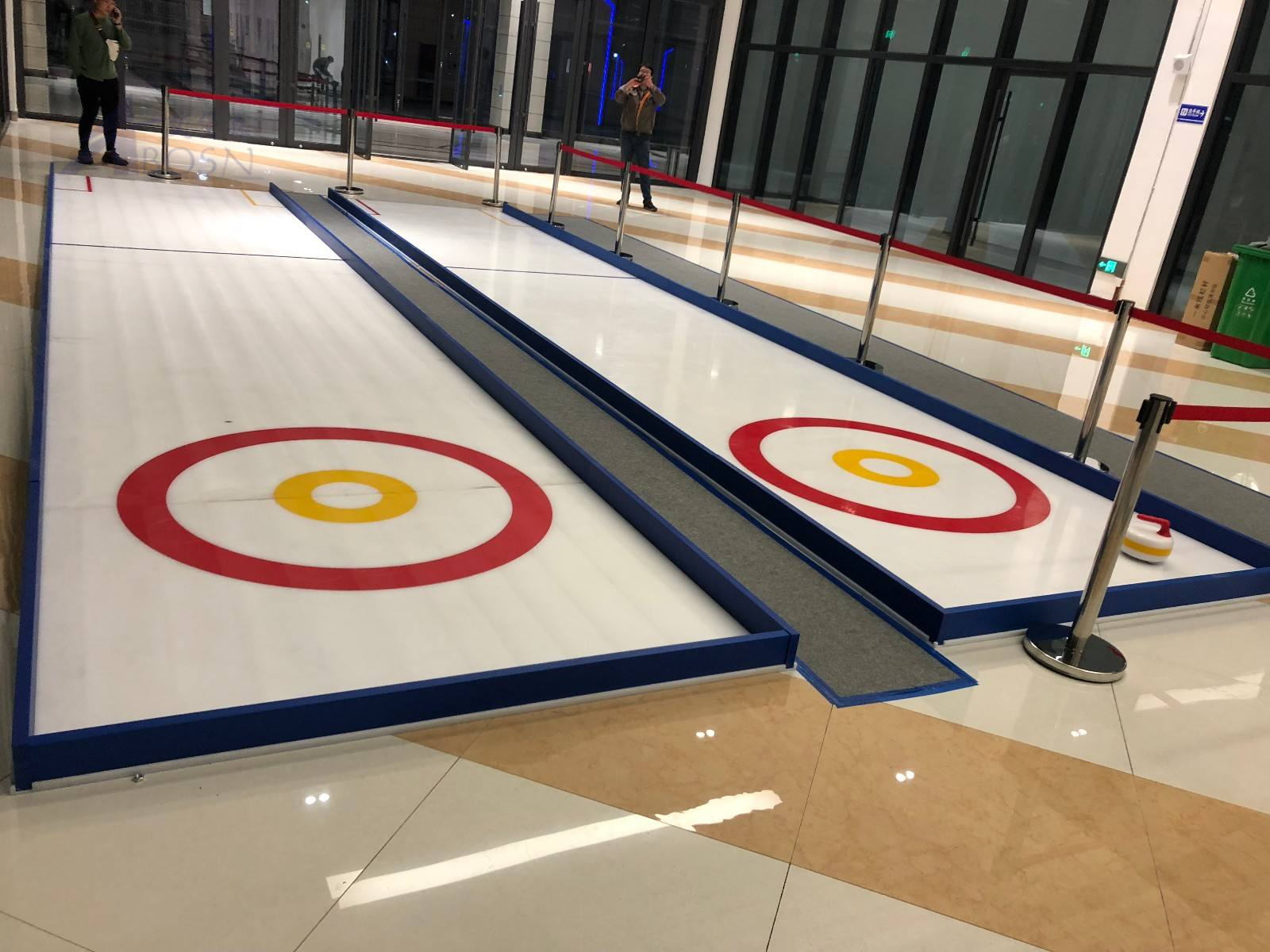
The initial cost to install synthetic ice is generally lower than real ice. Synthetic panels cost between $30,000 and $50,000 for a medium-sized rink. This covers the interlocking tiles, subfloor preparation, and safety barriers. Real ice rinks often start around $50,000 and can exceed $100,000 because of refrigeration systems, piping, water supply, and specialized construction.
Synthetic ice requires less infrastructure, so installation is quicker and simpler. Real ice needs complex systems to freeze and maintain the surface, increasing labor and materials expenses. The upfront savings with synthetic ice make it a popular choice for communities or facilities on a budget.
Operating real ice rinks demands significant energy and resources. Refrigeration units run continuously to keep ice frozen, consuming large amounts of electricity. Water is also needed daily to resurface and maintain ice quality. Maintenance staff operate resurfacing machines and monitor temperature controls regularly.
Synthetic ice, on the other hand, has minimal operating costs. It requires no electricity for freezing or resurfacing. Cleaning involves simple washing with mild soap and water. There’s no water usage or climate control needed. This leads to substantial savings on utilities and labor over time.
For example, a 200 m² synthetic rink can save thousands in electricity monthly compared to a similarly sized real ice rink. This reduction in energy use also benefits the environment.
Over time, synthetic ice offers strong financial advantages. Lower energy bills, reduced maintenance, and easier repairs decrease annual expenses. Synthetic panels last 12 to 15 years when cared for properly, providing a durable surface with consistent performance.
Real ice rinks require ongoing costs for resurfacing equipment, water, electricity, and skilled operators. Repairs can be costly, especially if refrigeration systems fail or structural issues arise. These expenses add up and can strain facility budgets.
While synthetic ice may wear skate blades faster, the savings on rink upkeep balance this out. Facilities can reinvest those funds into programming or facility improvements.
Cost Factor | Synthetic Ice | Real Ice |
Initial Setup | $30,000 – $50,000 | $50,000 – $100,000+ |
Energy Use | Minimal | High (refrigeration, lighting) |
Water Consumption | None | Significant |
Maintenance | Basic cleaning | Frequent resurfacing, repairs |
Lifespan | 12–15 years | Variable, ongoing upkeep |
Real ice rinks demand a lot of energy to stay frozen. Refrigeration systems run constantly, consuming large amounts of electricity. These systems cool the rink floor and maintain ice quality, especially indoors or in warmer climates. Lighting, ventilation, and resurfacing machines add to energy needs. This high energy use makes real ice rinks costly and less sustainable.
Synthetic ice rinks don’t need refrigeration or freezing. They stay solid at room temperature, requiring only basic lighting and ventilation. This reduces electricity consumption drastically. Because synthetic ice requires no freezing, it offers a more sustainable option for year-round skating. Facilities save energy and cut carbon footprints by switching to synthetic surfaces.
Real ice rinks consume thousands of gallons of water regularly. Water is used to flood the rink initially and for resurfacing during operation. Resurfacing involves spraying water on the ice and smoothing it with machines to keep the surface even and safe. This process repeats multiple times daily, especially in busy rinks.
Synthetic ice requires no water to install or maintain. It uses interlocking plastic panels that don’t melt or need flooding. This eliminates water waste and helps conserve this vital resource. Facilities in water-scarce areas benefit greatly from synthetic ice’s water-free nature.
Real ice rinks have a significant ecological footprint due to energy use, water consumption, and maintenance chemicals. Refrigerants used in cooling systems can be harmful if leaked. Frequent resurfacing produces wastewater, and equipment operation emits greenhouse gases.
Synthetic ice rinks reduce environmental impact by lowering energy and water needs. They avoid refrigerants, wastewater, and chemical use. However, synthetic ice panels are made from plastics, which involve fossil fuel use and manufacturing emissions. Still, their long lifespan (12–15 years) and recyclability potential help offset these factors.
Choosing synthetic ice can lead to a smaller overall ecological footprint, especially when combined with renewable energy sources and recycling programs.
Synthetic ice rinks offer a cost-effective, eco-friendly alternative to real ice surfaces. They provide 85-95% of real ice glide, with lower maintenance and energy needs. Choosing the right surface depends on budget and usage requirements. Synthetic ice is ideal for year-round access without refrigeration. Future advancements promise even smoother gliding and durability. Companies like ABOSN lead in providing high-quality synthetic ice solutions, emphasizing durability and performance, making them a valuable choice for skating facilities.
A: A synthetic ice rink is a man-made skating surface made from durable plastic panels, mimicking real ice without needing freezing temperatures or water.
A: Synthetic ice rinks have about 10–15% higher friction than real ice, requiring more effort to skate, which can enhance muscle strength.
A: Synthetic ice rinks offer year-round use, lower maintenance costs, and reduced energy consumption compared to real ice rinks.
A: Installing a synthetic ice rink typically costs between $30,000 and $50,000, depending on size and panel quality.


