
 English
Views: 0 Author: Site Editor Publish Time: 2025-11-04 Origin: Site


Imagine gliding effortlessly on ice, anytime, anywhere. That's the magic of synthetic ice. Unlike traditional rinks, synthetic ice offers year-round skating without the need for freezing temperatures. Owning a synthetic ice rink provides endless fun and fitness opportunities, but maintenance is key to keeping it in top condition. In this post, you'll learn essential maintenance tips to ensure your rink remains smooth, safe, and ready for action.
Setting up a synthetic ice rink starts with choosing the right location. You want a flat, clean surface free of debris. Indoors, garages, basements, or spare rooms work well. Outdoors, patios or decks are popular. Keep in mind, uneven ground can cause panels to lift or create gaps, so leveling the area is key.
When deciding between indoor and outdoor setups, consider weather and space. Indoor rinks offer climate control, protecting your rink from sunlight, rain, or snow. Outdoor rinks need extra care to shield from elements like UV rays, moisture, and temperature swings. Using a tarp or cover helps protect outdoor installations when not in use.
Installation tips for synthetic ice panels focus on preparing the subfloor. Sweep and vacuum the surface thoroughly before laying panels. If the floor is concrete and uneven, add a plywood underlayment to create a flat base. This prevents panels from bouncing or separating during use.
Panels connect like puzzle pieces, usually with dovetail or tongue-and-groove edges. Use a rubber mallet to snap them tightly together for a seamless surface. Leave a small gap around the rink's perimeter to allow for expansion and contraction caused by temperature changes. Avoid fastening panels directly to the floor; they need to float freely.
For larger outdoor rinks, consider building a platform deck with drainage holes to prevent water pooling under panels. This reduces the risk of buckling or damage over time.
Adding dasher boards or rebound barriers improves puck containment and safety, especially for hockey players. However, install these around the rink's edge, not on top of panels, to avoid restricting panel movement.
Remember, proper setup leads to better performance and longer rink life. Take your time during installation, follow manufacturer instructions, and plan for future maintenance.
Tip: Always test-fit a few panels before full installation to ensure your surface is level and panels lock together smoothly.
Maintaining a synthetic ice rink daily is key to keeping it smooth and safe. Regular cleaning prevents dirt and debris from building up, which can slow down skaters and damage the surface over time. A clean rink also helps preserve the glide quality, making skating more enjoyable.
Importance of Regular CleaningEvery day, dirt, dust, and tiny shavings from skate blades collect on the surface. These particles reduce glide and can cause scratches or ruts if left unattended. Sweeping and mopping daily keeps the surface friction low and extends the rink's lifespan. Regular cleaning also helps spot early signs of wear or damage before they worsen.
Tools Required for Daily UpkeepYou don’t need fancy equipment for daily maintenance. A few simple tools will do the job well:
● Soft-bristle push broom: Ideal for sweeping away dust, dirt, and skate shavings without scratching the panels.
● Vacuum cleaner (optional): Useful for indoor rinks to pick up fine particles that brooms might miss. Use a vacuum with a soft brush attachment to avoid surface damage.
● Mop and bucket: For wiping down the surface after sweeping, removing any sticky residue or dirt. A microfiber mop works best to avoid scratching.
● Mild, pH-neutral soap: Helps clean without harming the synthetic ice material. Avoid harsh chemicals or abrasive cleaners.
Steps for Sweeping and Mopping
1. Start by sweeping: Use the soft-bristle broom to gently brush the entire rink surface. Focus on areas with visible dirt or shavings. Sweep debris into a pile, then collect and dispose of it properly.
2. Vacuum if needed: For indoor rinks, vacuum the surface after sweeping to catch fine dust particles. Be gentle to avoid harming the ice panels.
3. Prepare cleaning solution: Mix warm water with a few drops of mild soap in a bucket.
4. Mop the surface: Use a microfiber mop dipped in the solution to clean the rink. Mop in smooth, even strokes to avoid streaking. Change mop water frequently to avoid spreading dirt.
5. Let the rink air dry: Synthetic ice dries quickly, so allow it to air out before the next skating session. Avoid walking on the wet surface to prevent marks.
Keeping your maintenance tools nearby makes daily cleaning easier and encourages routine care. Cleaning the rink before and after each use can keep it in top shape and ready for skating anytime.
Maintaining your synthetic ice rink beyond daily cleaning is crucial for keeping it in top shape. Weekly and monthly care helps remove deeper dirt, smooth out surface wear, and keep the glide consistent. Here’s how to handle these tasks effectively.
Over time, dirt and skating residue build up in seams and on the surface. A thorough clean once a week or month restores shine and performance. Start by sweeping or vacuuming debris off the rink, then apply a gentle cleaning solution made from warm water and a mild, pH-neutral soap. Use a microfiber mop or soft cloth to scrub the surface evenly. Avoid harsh chemicals or abrasive tools that could damage panels.
For outdoor rinks, consider power washing occasionally to remove stubborn grime and buildup. Just be sure to use a low-pressure setting to protect the panels. After cleaning, let the rink air dry completely before use.
Some synthetic ice surfaces benefit from conditioners that enhance glide and reduce friction. These products fill microscopic scratches and restore smoothness. Apply conditioners monthly or as recommended by your rink’s manufacturer. Use a spray bottle or mop to spread the conditioner evenly, then buff with a soft cloth or buffer.
Avoid over-application, which can leave residue or make the surface slippery. Also, clean off any excess conditioner after use to prevent buildup. Regular conditioning can extend panel life and keep skating smooth.
Weekly or monthly inspections catch issues early before they worsen. Walk the rink surface looking for scratches, ruts, or lifted panels. Check seams for gaps or separation caused by temperature changes or heavy use.
If you find raised plastic from skate blades, gently scrape it off using a plastic floor scraper or similar tool. Small repairs prevent bigger problems and maintain safety. Also, inspect the rink perimeter and any dasher boards or barriers for stability.
Regular inspections help you plan repairs and replacements before the surface degrades. Keeping a maintenance log can track wear patterns and inform future care.
Outdoor synthetic ice rinks face unique challenges due to weather. Protecting your rink from elements like sun, rain, snow, and temperature swings is essential for maintaining performance and longevity.
Sunlight, especially UV rays, can degrade synthetic ice panels over time. Use a UV-resistant tarp or cover when the rink is not in use. Choose light-colored tarps to reflect sunlight and avoid heat buildup beneath the cover, which can warp panels. Heavy rain can cause water pooling around or under panels, leading to damage. Ensure proper drainage by installing your rink on a platform or surface with weep holes. This prevents water from collecting and reduces the risk of buckling.
Snow and ice accumulation can freeze on the surface, especially in colder climates. Remove snow promptly using plastic shovels or soft brooms to avoid scratching. Avoid letting ice build up, as frozen layers restrict panel expansion and may cause cracks.
Adjust your maintenance routine based on the season. In winter, clear snow and ice frequently. Use warm water sparingly to melt thin ice layers, then clean the surface thoroughly. During spring and fall, inspect panels for damage caused by temperature fluctuations or moisture. Look for gaps or raised edges and address them before they worsen.
Summer heat can cause panels to expand. Leave expansion gaps around the rink perimeter to allow movement. Increase the frequency of cleaning to remove dust, pollen, and debris blown onto the rink by wind. Applying conditioners or lubricants during hot months can help maintain glide and protect panels from drying out.
A quality tarp is one of the best investments for outdoor rink care. Select tarps made from UV-protected polyethylene for durability. Secure the tarp tightly to prevent wind damage, using bungee cords or weighted edges. Remove the tarp before skating to avoid slippery surfaces caused by moisture trapped underneath.
If you expect heavy storms or long periods without use, cover the rink completely to shield it from dirt, leaves, and moisture. For short breaks, a partial cover or rink blankets may suffice. Always ensure the rink is dry before covering to prevent mold or mildew growth.
Owning a synthetic ice rink is fun, but common issues can pop up over time. Knowing how to handle surface scratches, dirt buildup, and neglected rinks keeps your skating smooth and safe.
Skate blades can cause scratches or ruts on synthetic ice panels. These small imperfections affect glide and can worsen if ignored. To fix this:
● Use a plastic floor scraper to gently remove raised plastic or rough edges.
● Run the scraper carefully over affected spots to smooth the surface.
● Avoid metal tools to prevent further damage.
Regularly scraping minor scratches keeps the rink safe and extends panel life. If ruts become deep, consider replacing worn panels before they impact performance.
Dirt, dust, and tiny plastic shavings accumulate quickly during use, especially indoors. These particles reduce glide and can cause scratches if left on the surface. To manage buildup:
● Sweep the rink daily using a soft-bristle broom.
● Vacuum fine particles indoors with a soft brush attachment.
● Mop the surface with warm water and mild, pH-neutral soap to remove sticky residue.
● Dispose of collected shavings responsibly, as they are recyclable.
Keeping the rink clean preserves glide and prevents damage. For outdoor rinks, wind and weather can bring extra debris, so frequent cleaning is key.
Sometimes busy schedules or unexpected events cause rink maintenance to lag. If your rink has been neglected:
● Start by thoroughly sweeping or vacuuming to remove loose dirt.
● Use a power washer on low pressure for stubborn grime, especially outdoors.
● Scrub seams and panel edges to clear trapped debris.
● After cleaning, apply a surface conditioner if recommended by the manufacturer.
Power washing refreshes neglected panels, restoring glide and appearance. Always allow the rink to dry completely before skating.
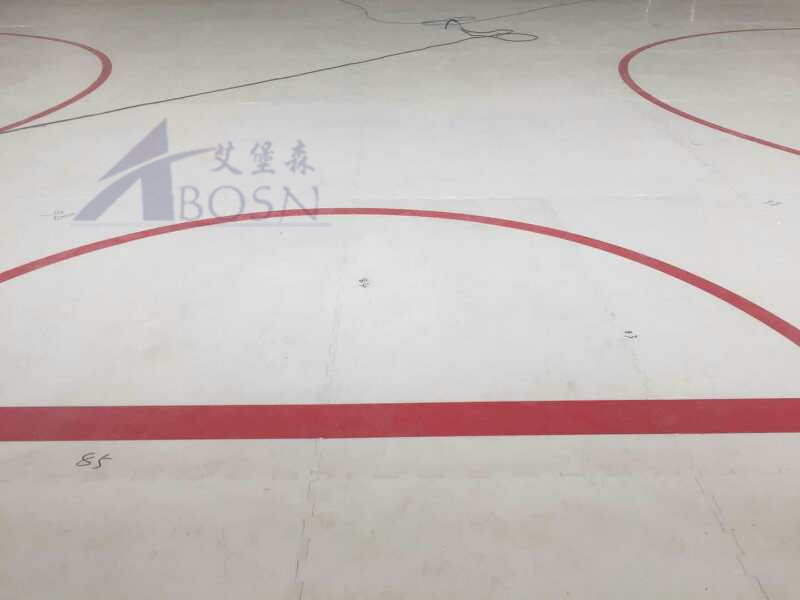
Owning a synthetic ice rink means enjoying skating for years. To keep it that way, focus on preventive care, regular checks, and eco-friendly habits.
Start with protecting your rink from damage early on. Keep the surface clean by sweeping and mopping after every use. Dirt and shavings can wear down panels faster. Avoid using metal tools on the surface to prevent scratches. Instead, use plastic scrapers for minor repairs.
Don’t fasten panels to the floor. Let them float to allow expansion and contraction. This prevents cracks or warping caused by temperature changes. For outdoor rinks, cover the surface when not in use. A UV-resistant tarp helps block sun damage and keeps debris off. Also, avoid parking heavy equipment on the rink, even though some panels can technically handle weight. This reduces stress on joints and seams.
Make it a habit to inspect your rink weekly or monthly. Look for scratches, ruts, or gaps between panels. Early detection means you can fix small issues before they grow. Use a plastic floor scraper to smooth out raised plastic from skate blades. If panels show deep wear, consider replacing them to maintain safety and glide.
Check the rink’s perimeter and any dasher boards or barriers. Tighten or adjust them if loose. Keeping edges secure prevents accidents and protects the surface.
Synthetic ice is made from plastics, so managing waste is important. Collect shavings and debris during cleaning and recycle them if possible. This reduces microplastics entering the environment.
Limit water use when cleaning by using just enough to remove dirt. Avoid harsh chemicals; opt for pH-neutral soaps that won’t harm the panels or the planet.
Choose high-quality panels designed for durability and low maintenance. Some brands offer infused materials that resist wear and need less conditioning. This means fewer replacements and less waste.
By combining these practices, you protect your investment and support a greener skating experience.
To maintain a synthetic ice rink, regular cleaning, inspections, and preventive measures are crucial. These steps ensure optimal performance and prolong the rink's lifespan. By following these key maintenance tips, rink owners can enjoy year-round skating. For those seeking high-quality synthetic ice solutions, consider ABOSN. Their products offer durability and low maintenance, providing excellent value and a smooth skating experience. Enjoy the benefits of a well-maintained rink and make the most of your skating sessions.
A: A synthetic ice rink is a surface made from plastic panels that mimic real ice, allowing for ice skating without the need for freezing temperatures.
A: Maintain a synthetic ice rink by sweeping and mopping daily to remove dirt and debris, and inspect for wear and tear regularly.
A: Synthetic ice rinks offer year-round skating without the high costs of refrigeration and maintenance required for real ice.
A: Use UV-resistant tarps to cover the rink when not in use and ensure proper drainage to prevent water pooling under panels.


